
In Wales, Community Wealth Building finds fertile ground
March 10, 2026

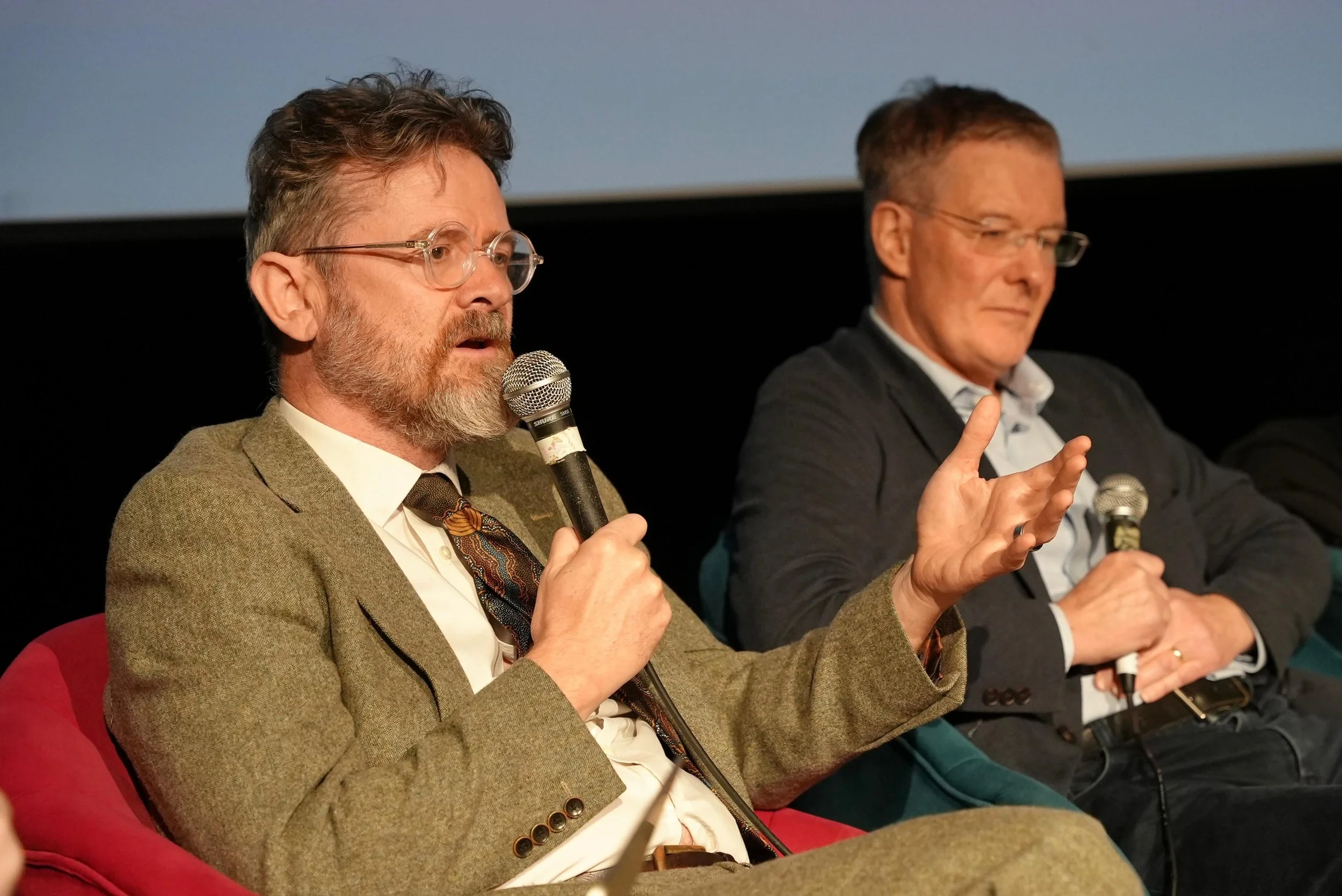
TDC’s Global Lead for Community Wealth Building, Neil McInroy, was the keynote speaker at the Welsh co-operative development agency Cwmpas’ first annual conference in Cardiff. This is an abridged version of his speech.
Bore da!
It’s wonderful to be back in this fine city of Cardiff, and I’m grateful to Cwmpas and to the Office of the Future Generations Commissioner for Wales for bringing us together. My purpose today is to talk about Community Wealth Building — what it is, why Wales needs it, and how it should act as the glue connecting the great work so many of you are already doing.
First and foremost, Community Wealth Building is about economic system change. It is economic development, not a bit of soft community activity on the margins. It digs into the structural injustices that shape people’s lives. Too often when people hear the word “community,” they assume the work is small, peripheral, not part of “the real economy.” We must challenge that assumption. Community Wealth Building is absolutely about the economy.
As for why Wales needs CWB, there are several reasons.
One is regeneration. Part of my journey into this work came from becoming disillusioned with traditional regeneration during the New Labour - Blair and Brown - years. There was plenty of activity, money and rhetoric directed at places like the Valleys, northern England, and post‑industrial Scotland, but it never tackled the underlying system. It merely softened the rough edges. We need regeneration that goes deeper.
Another reason is devolution. Across the UK, devolution has too often meant devolving a Treasury‑designed, neoliberal, extractive model. That is not real devolution.
“Real devolution is about giving places the power to shape their own destinies. It is not simply a constitutional question; it is about whether economic models are devolved to places and nations so they can truly reflect local priorities and values.”
And then, of course, there is economic democracy. Change cannot be delivered solely from the top. We need grassroots ownership and agency: social enterprises, development trusts, community land trusts, co‑ops. We need to nurture that energy and let it grow.
To advance Community Wealth Building, we need three things working together. Like three legs of a stool. First, practice — real, tangible examples of change: like the the Living Wage work in Cardiff, the shifts in procurement, local employment, and so on. These stories matter because they show what the Wales we want actually looks like. They challenge the dominant neoliberal narrative.
Second, we need a movement — activism from Cwmpas, from Future Generations, from community groups, anti‑poverty campaigners, land reformers, those protecting the Welsh language, everyone whose ambitions are undermined by a neoliberal model. Their work is often fragmented. Community Wealth Building provides the strategic coherence to unite their efforts.
And third, we need policy — the supportive framework, if you like.
Practice alone looks like scattered nice projects. Policy without practice sits on a shelf. But together they drive structural change. A movement alone is a scream in the dark. We need all three.
When we built the modern CWB model out of the Cleveland and Preston experiences, we focused on the idea of how wealth flows. Wealth is the raw material of an economy, just as timber is the raw material for a joiner. So we asked: Who holds wealth? Where does it go? How does it circulate? And how do we stop it being extracted to tax havens and instead keep it flowing in places like Swansea?

Think of CWB as new economic plumbing. There are five key pipes: fair work; locally rooted finance; just use of land and property; progressive procurement; and inclusive, democratic enterprises. Each pipe contains tools you can use — Living Wage charters, community finance initiatives, community land trusts, local renewable ownership, procurement that keeps Welsh pounds circulating locally, and the world of co‑ops, employee‑owned firms, and social enterprises represented in this room.
A crucial part of the model is anchor institutions. These are “sticky capital” institutions — universities, councils, health boards — that are not moving to the Cayman Islands. They buy, hire, own land, hold assets, and are democratically accountable. So why wouldn’t they act as economic agents to build community wealth rather than extract it? If an anchor institution doesn’t understand this role, call them out. Why wouldn’t a college tasked with supporting its population consider how its economic power affects wellbeing? Why wouldn’t a health board think upstream — about how its procurement, investment, and employment practices can reduce poverty, which is one of the biggest drivers of demand on the health system?
Turning specifically to Wales.
“I deeply admire the work on the foundational economy, future generations, wellbeing, and all the efforts many of you here lead. But there is a dissonance. Wales does not always put this excellent activity to full strategic use.”
In fact, much of the success that does happen occurs in spite of the dominant economic system, which remains locked into an investment‑driven, trickle‑down, agglomeration model. That model does not nurture the progressive, locally rooted economic activity that could truly revitalize Wales.
This is why Community Wealth Building matters so much. CWB is the powerful coagulant — the connector, the binder, the framework that brings all these good things together. It acts as a force multiplier, giving coherence, direction and strategic purpose to the many initiatives already alive across Wales. Instead of isolated successes fighting against the grain, CWB gathers them into a shared economic mission.
For me — and I believe for Wales — economic development is the key entry point for system change, and the national economic strategy should place Community Wealth Building at its heart.
A Welsh economic development strategy for the whole nation needs to be grounded in CWB principles. And to deliver this, Wales needs to consider those three legs to the stool, including the right supporting infrastructure. Scotland has a Centre for Community Wealth Building Excellence. Wales deserves a similar national capability — one that can convene, cohere and accelerate this work for the long term.
And finally, let for too long, the world of co‑ops, social enterprises, community ownership, and wellbeing has been treated as soft, fluffy, and timid — as if the “real” economy is the multimillion‑pound investment announcement or the thousands of jobs promised along the M4. Meanwhile your work is described as “nice local projects.”
We must break out of that mindset, imposed onto us by others. We are not fluffy. We are not timid. It is time for the Welsh dragon to roar. Because what you do — what Cwmpas does, what the Future Generations Commissioner does, what communities across Wales are striving for — is not peripheral. It must be the new direction of the Welsh economy. Let’s break the old extractive fossil‑fuel‑driven model that is harming people, places and planet, and let’s build something better.
Let the Welsh dragon roar. Let‘s build community wealth.